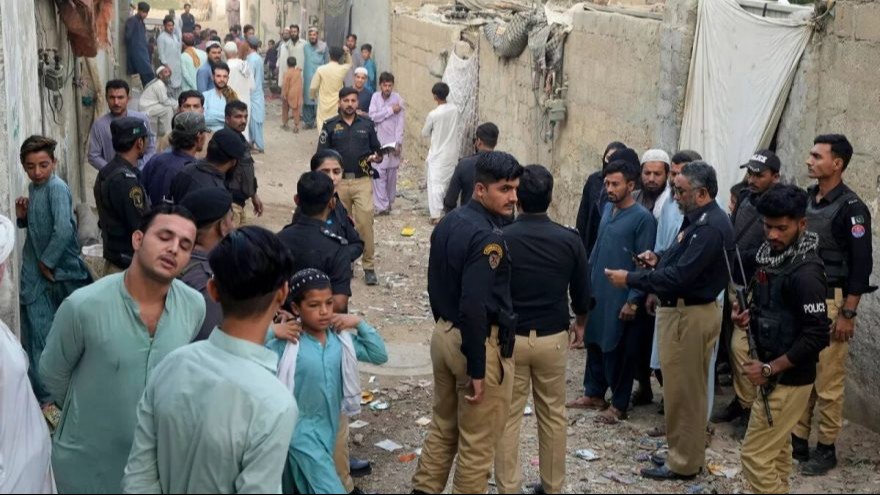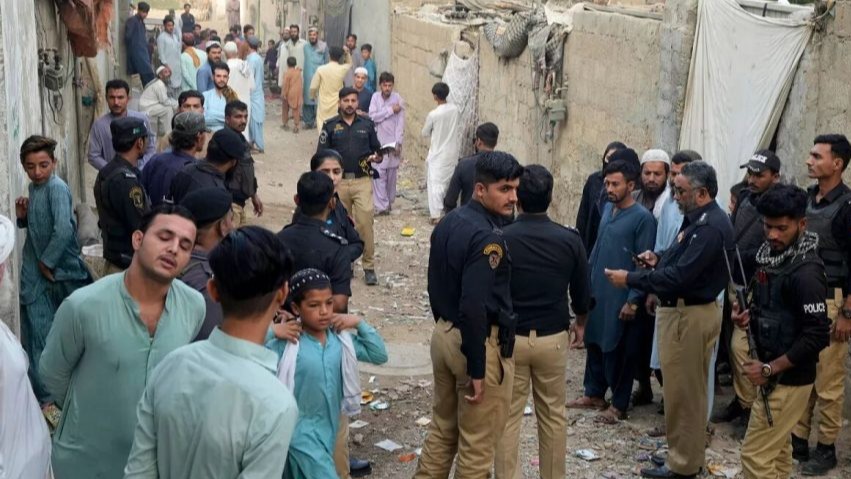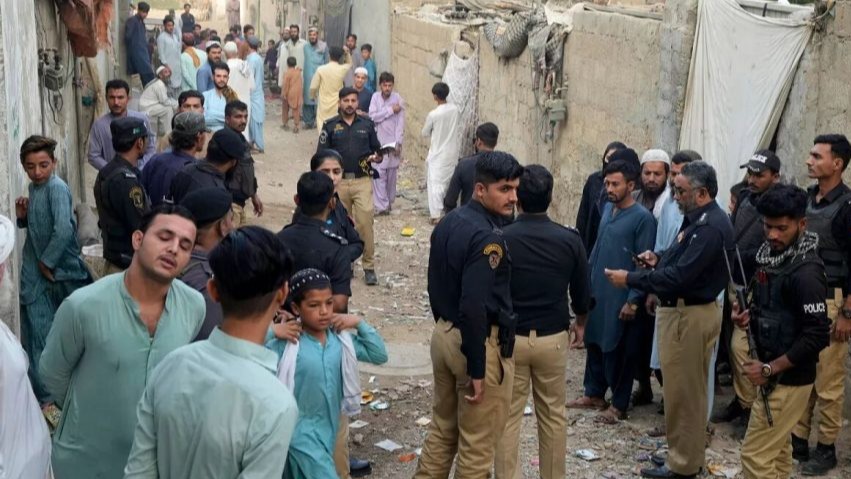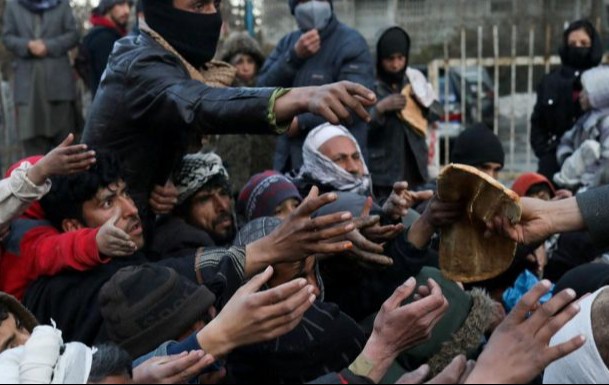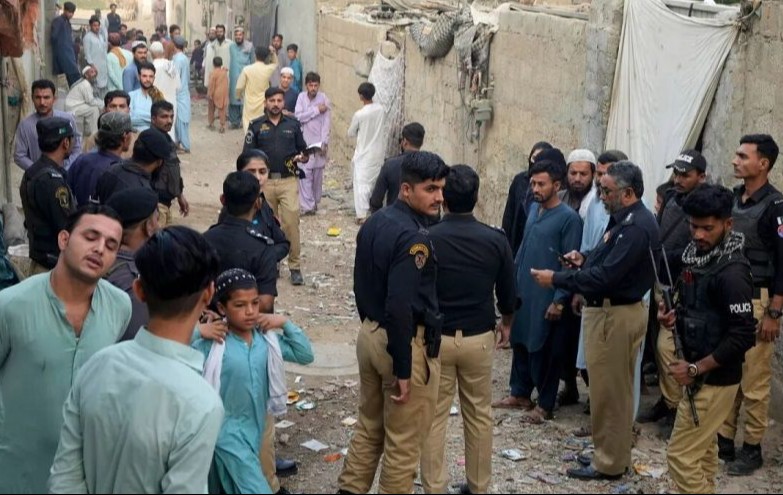
Pakistani police have detained 121 Afghan nationals during an immigration enforcement operation in the eastern city of Lahore, releasing some after verifying their legal residency documents while transferring others for further legal action, according to Pakistani media reports.
Authorities said 28 Afghan nationals were released after
officials confirmed they possessed valid residency documents. The remaining 93
people, who allegedly lacked legal permission to remain in Pakistan, were
transferred to a holding center in Lahore pending further immigration
proceedings.
The operation is part of Pakistan’s ongoing nationwide
campaign against undocumented foreign nationals, which has led to the detention
and deportation of hundreds of thousands of Afghans since late 2023. Islamabad
has intensified immigration enforcement in recent months following the
expiration of deadlines for undocumented Afghans and amid continued tensions with
the Taliban administration over cross-border security.
Pakistani authorities have maintained that the campaign is
aimed at enforcing immigration laws and improving national security. Officials
have repeatedly said foreign nationals without valid visas or residency permits
are subject to detention and deportation under Pakistani law.
The crackdown has drawn criticism from the United Nations,
human rights organizations and refugee advocacy groups, which have urged
Pakistan to ensure that returns comply with international legal obligations.
Rights groups have raised concerns over reports of arbitrary detention, forced
deportations and the treatment of Afghan refugees and asylum seekers during
enforcement operations.
Afghanistan has experienced a sharp rise in returns from
neighboring countries in recent months. The Taliban administration said 3,753
Afghans returned through multiple border crossings on Friday, although it did
not specify how many had been deported from Pakistan, returned voluntarily or
arrived from other neighboring countries.
The International Organization for Migration (IOM) and UN
agencies have warned that the continued return of large numbers of Afghans is
placing additional pressure on humanitarian services in Afghanistan, where
millions already face food insecurity, unemployment and limited access to
healthcare and basic public services.
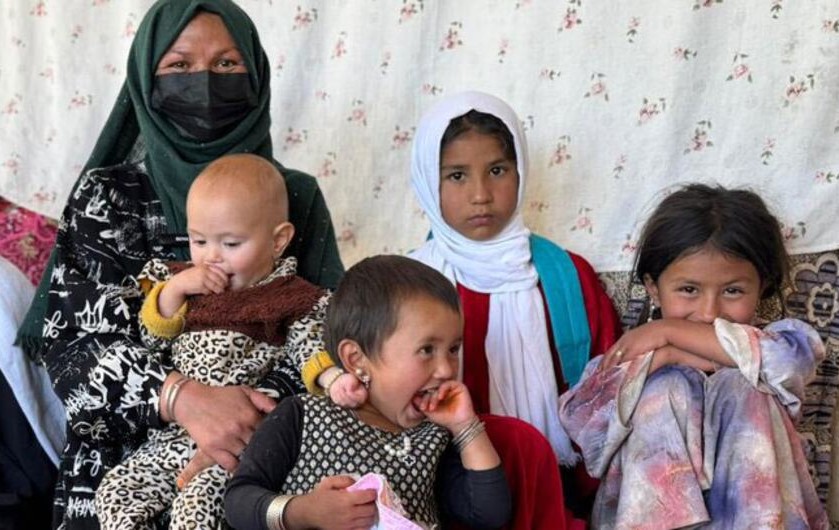
Pakistan hosts one of the world’s largest Afghan refugee
populations. Many Afghans have lived in the country for decades after fleeing
conflict and instability, while others arrived following the Taliban’s return
to power in Afghanistan in 2021.
Photo Gallery